• Creditors will decide the fate of the struggling South Australian food company on Monday.
    Creditors will decide the fate of the struggling South Australian food company on Monday.
Close×

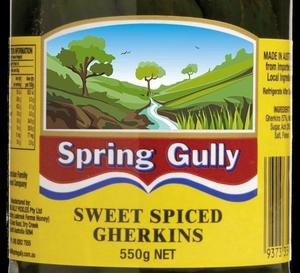
The future of struggling South Australian pickles and preserves company, Spring Gully Foods, will be decided at a creditors meeting on Monday.

Around 300 creditors that are expected to attend will be asked to approve a Deed of Company Arrangement (DOCA) which outlines a plan on how outstanding debts will be handled, in order for the company to be released from administration.

Under the terms of the DOCA, all creditors will be paid 100 cents in the dollar, with an initial down payment and regular quarterly payments until the debt is finalised, according to Spring Gully’s managing director, Kevin Webb.

Spring Gully's creditors all received copies of the DOCA, which was prepared by the company’s administrator,  Austin Taylor of Meertens, last week.

The company postponed its second creditors meeting that was slated for last month. The company sought special court approval to defer the meeting to enable ongoing negotiations with potential investors.

Spring Gully, which owes unsecured creditors more than $3 million and has bank debt of around $7 million, blamed a sudden dip in supermarket sales for its predicament, but since the news broke of its financial problems, it has experienced unprecedented demand for its products.

To meet the demand, and to meet some new distribution deals, the company has had to employ more people and move to a two-shift operation for the next three months, in order to boost production by up to 50 per cent.

Packaging News

IVE Group says its diversification strategy – including investment in packaging capacity – remains central to growth despite softer revenues in traditional print segments.

The Hive Awards are live! PKN's sister title, Food & Drink Business, is calling on all processing and packaging innovators in the food and beverage sector to get on board and submit entries by 13 March.

A new AFGC snapshot of Australia’s food and grocery manufacturing sector highlights rising costs and slowing real growth – while calling for national progress on packaging circularity and digital labelling.