


The founder of Kurrajong Kitchen has shared her story in a new book titled 50 Unsung Business Heroes which features interviews with fifty Australian business owners.
In the book, the co-founder of the lavosh maker Karen Lebsanft shares her story, from running her business for the past twenty five years, to running in the New York Marathon.
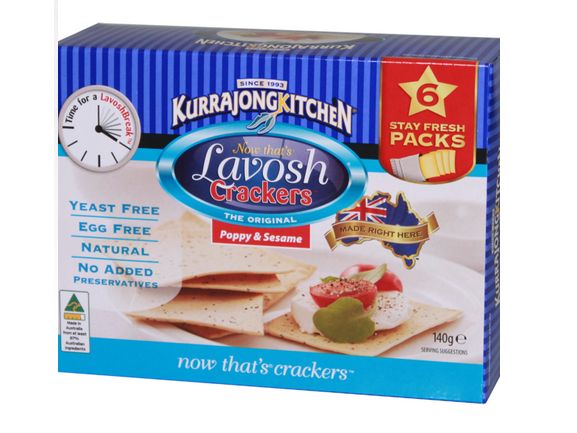
Together with her husband Ben she perfected their particular technique in the kitchen of their restaurant in the NSW village of Kurrajong. These days, in nearby Windsor, her team produces 750,000 pieces of lavosh every day.
“We began serving lavosh to the customers of our restaurant; we would serve it up on cheese platters with dips and salsa and they loved it. In fact they loved it so much customers began asking if they could take some home,” she says.
In a short space of time Karen and Ben were making thirty packets a week to give to their restaurant customers. Kurrajong Kitchen now supplies major retailers around Australia including Coles and Woolworths.
Unsung Business Heroes is a concept created by Charles Fairlie, who was unemployed himself when he took on the task of recording these stories.
Writing the book’s foreword, Kate Carnell, Australian Small Business and Family Enterprise Ombudsman said, “These stories are sure to inspire and empower potential business owners, those with great ideas, wanting to test the water – and others striving to build on what they have already created.”
The book was launched in Sydney this week at HLB Mann Judd.


