


A partnership between an Aboriginal community and an Australian resort company will see native bee honey harvested on North Stradbroke Island.
The Quandamooka Yoolooburrabee Aboriginal Corporation (QYAC), representing the island’s traditional owners, is working with The Star Entertainment Group to install 32 native bee hives on the island, which is traditionally known as ‘Minjerribah’.
The honey will be collected at regular intervals throughout the trial by Quandamoooka people, elders, and QYAC rangers – with each hive expected to generate up to 1kg of honey per year.
The native bee honey will be used by The Star Entertainment Group as an exclusive, signature ingredient in its menus, including during the Gold Coast 2018 Commonwealth Games in April, as well as for gifts.
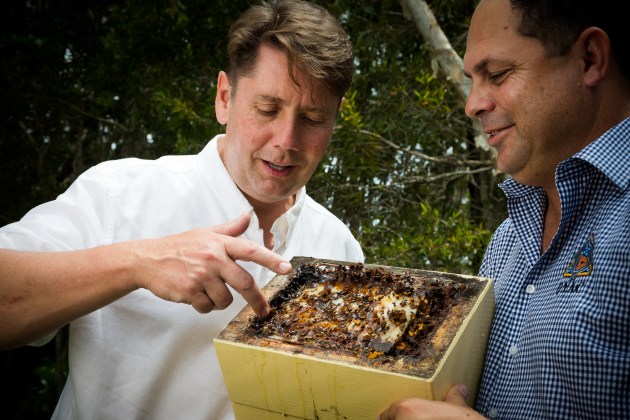
QYAC CEO Cameron Costello said pending the trial’s outcomes, the initiative will explore the feasibility of establishing an Aboriginal native bee honey microfood business on the island, further research and development into honey production, and a potential Aboriginal eco-cultural tourism experience.
Native bee expert and former CSIRO entomologist Dr Tim Heard said the native bee species being used for the trial are stingless and live in colonies, unlike most Australian bees.
“We have around 1500 species of bees in Australia, with this particular species producing a unique and earthier taste sensation that is lighter and has a runnier consistency than normal honey, while still being incredibly delicious,” Dr Heard said.
“The bee hives are being placed in different terrains and locations – such as by the coast and in the bushland – to see if their locality provides different flavours or different honey production rates, which will be reviewed throughout the trial.”


