


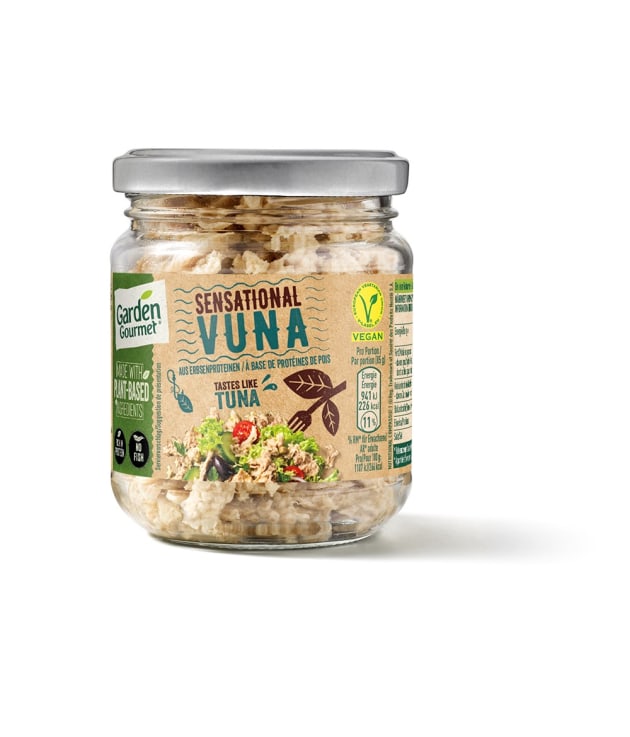
Nestlé has launched its plant-based alternative to tuna under its Gourmet Garden brand in Switzerland, with further rollouts in the planning. The product is Nestlé’s first move into the plant-based seafood alternatives market.
Nestlé Chief Technology Officer Stefan Palzer said plant-based seafood options can help reduce overfishing and protect biodiversity in the oceans.
According to the UN, nearly 90 per cent of the world’s fish stocks are now either fully exploited, over-exploited or depleted.
The Good Food Institute said the plant-based food retail market in the US was worth US$4.5 billion in 2018, but grew five times faster than total US retail food sales for the year.
It sees plant-based seafood as a market white space, accounting for only one per cent (US$9.5 million) of total plant-based meat dollar sales. Roughly 91 per cent of sales are in the frozen section.
In January, US plant-based seafood producer Gathered Foods completed a US$32 million Series B funding round, with two major investors – Greenleaf Foods and 301 Inc (the venture capital arm of General Mills).
Nestlé’s tuna alternative is made from six plant-based ingredients, including pea protein, as well as essential amino acids. It is mercury, artificial colourings and preservatives free. In its initial release, the plant-based tuna is a chilled product in a glass jar and in sandwiches in selected stores.
In Australia, the Fry Family Food Co has two plant-based seafood alternatives – battered prawn-style pieces and Fish-Style Fillets. Future Farm Co distributes Californian brand Sophie’s Kitchen plant-based seafood alternatives based on Konjac root.
Nestlé developed the product in nine months, drawing on its protein science expertise and proprietary technologies. It already has a range of plant-based products, including alternatives to burgers, mince, meatballs, sausages, cold cuts, chicken nuggets, and chicken fillets on the market.
To increase speed-to-market, the tuna alternative was prototyped and tested in selected retail outlets, with the first commercial batches produced in Nestlé R&D facilities.


