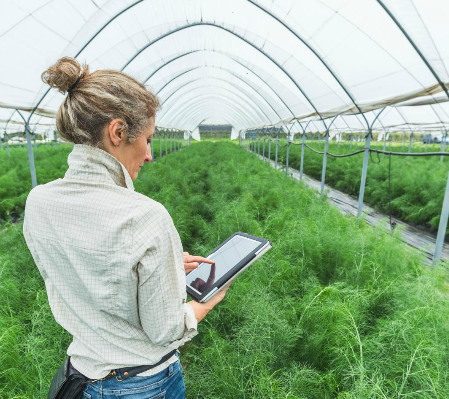
New Zealand is a key supplier to the global food market. Its capacity to meet future nutritional demand is linked to the speed at which technology is adopted, writes Emma Wheeler of KPMG New Zealand.
The nature of our food system is that it is intricate and complex yet dynamic and vibrant. The capacity for the food system in its current state to feed the global population is being dramatically challenged. With approximately a third more people on the planet by 2050, paired with increasing consumption per person, we are not only facing a challenge of the quantity of food, but also the quality of our food.
Limited access to nutrient dense food has resulted in the rapid expansion of non-communicable diseases and malnourishment. The global health paradox we are currently dealing with is one in five adults in OECD countries are obese, and one in five children is stunted due to malnourishment. Global malnutrition increased from 777 million people impacted in 2015, to 815 million in 2016.
The speed at which technology and innovative new systems are adopted will underpin the New Zealand food sector’s capacity to play a part in meeting the world’s future nutritional demand and in a safe way. The global Food Security Index ranks New Zealand as being first for food safety and nutritional standards, painting a powerful picture for our export story. From seed to plate, technology offers solutions that span the entire supply chain, from farmers and agricultural businesses, manufacturing, packaged goods through to the consumer purchasing the products. Digitisation and leveraging new technologies are transforming the industry.
Track and trace
Knowing the provenance of food products, along with who has touched it, facilitates a more trusting relationship between each player in the supply chain. Data points along a supply chain enable a consumer to understand their product deeply. On the other end of the equation, insights derived from farm data enables farmers to make more informed decisions on farm. Kiwi company FarmIQ is doing this by integrating unique farm data with data from other major producers to create valuable sets of information to help farmers to better manage every aspect of their farm.