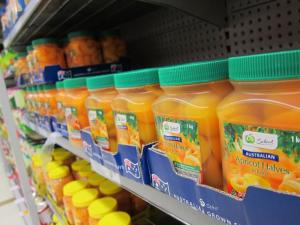
The power of the mega-retailers is the single biggest constraint on business growth for food and beverage manufacturers around the world according to a new report.
The study by advisory firm Grant Thornton, Hunger for growth: Food and Beverage looks to the future, found that more than half of food and beverage executives rated market dominance by retailers as a significant or moderate risk to their supply chains and organisations.
The power of the mega-retailers is a global problem that has industry executives wondering “how to regain leverage in these often contentious relationships,” according to the research.
Grant Thornton Australia’s national leader of food & beverage, Tony Pititto, said given Coles and Woolworths controlling around 70 per cent of retail sales, Australian food and beverage companies were equally affected.
“The market power of the mega-retailers is an international phenomenon with small retailers and suppliers getting squeezed everywhere around the world," Pititto said.
However, he suggested that industry executives could improve their bargaining positions in a number of ways.
“They can diversity customer portfolios, build a product leader, develop niche markets and diversify their product portfolios,” Pititto said.
The study also found that the outlook for the sector is positive with food and beverage companies poised for growth amid an improved global economic outlook.
In addition, it found Australia is leading a wave of renewed optimism as more producers look to China and South East Asia as export markets.