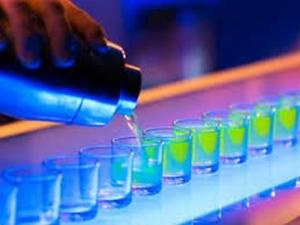
• DSICA says a NSW government blanket ban on the sale after midnight of shots, doubles and RTDs with more than 5 per cent alcohol is completely unjustifiable.
    DSICA says a NSW government blanket ban on the sale after midnight of shots, doubles and RTDs with more than 5 per cent alcohol is completely unjustifiable.
Close×

The Distilled Spirits Industry Council of Australia (DSICA) has labelled a NSW government ban on the sale after midnight of shots, doubles and RTDs with more than 5 per cent alcohol completely unjustifiable.

The NSW Government blanket ban, which will apply across the Sydney CBD, will create a midnight swill to match the six o’clock swill of the fifties and sixties as people who prefer spirits order their drinks before the midnight restrictions, according to the DSICA.

“Patron behaviour is about the individual and the responsible service of alcohol to them. It is not about what type of drink they have in their hand after midnight,” said DSICA spokesperson Stephen Riden.

He said it was is hard to see any valid reasoning behind the pointless decision to ban some RTDs. “What is the real difference between an RTD at 5.1 per cent alcohol and a cider or beer at 5 per cent? Wine has 12-13 per cent alcohol but there are no extra restrictions on its service.”

According to Riden, the ban on the sale of shots and doubles is also very likely to halt the sale of neat premium spirits such as brandy and whisky.

“Why would a venue take the risk to its licence that those drinks will not be consumed rapidly? It doesn’t say much for Sydney’s image as an international city if an adult cannot have a cocktail unless it is on a list.”

He said one of the strangest elements of the new drink restrictions is that it’s a blanket ban, whereas the restrictions on serving alcohol in glasses or extra RSA marshals are only for venues picked out by the liquor regulator as having a problem.

“We believe that if the drinks bans are to be applied, it should be on the same basis,” he said.

Packaging News

As 2025 draws to a close, it is clear the packaging sector has undergone one of its most consequential years in over a decade. Consolidation at the top, restructuring in the middle, and bold innovation at the edges have reshaped the industry’s horizons. At the same time, regulators, brand owners and recyclers have inched closer to a new circular operating model, even as policy clarity remains elusive.

Pact has reported a decline in revenue and earnings for the first five months of FY26, citing subdued market demand, as chair Raphael Geminder pursues settlement of the long-running TIC earn-out dispute.

PKN brings you the top 20 clicks on our website this year, a healthy mix of surprise and no-surprise. Pro-Pac Packaging led the list, Women in Packaging came in at #4, and Zipform's paper bottle at #15.