A surge in interest in GMO-free or non-GMO products, and continuing growth in the free-from category, is driving consumer demand for cleaner labelling and greater transparency on packaging.
The free-from category has been buoyed by high-profile developments in areas such as lactose-, dairy- and gluten-free foods and drinks, and launches featuring GMO-free claims and labelling are rising in number.
Over 13 per cent of launches recorded by Innova Market Insights in the 12 months to the end of June 2015 were marketed on an additive-free or preservative-free platform, while 7.8 per cent were labelled as organic and 6.3 per cent 'natural'.
At the same time just four per cent used GMO-free labelling, although this has been rising significantly year-on-year – driven mainly by growing demand in the US.
In Australia and New Zealand, all GM foods and ingredients must undergo a safety assessment and be approved before they can be sold.
The decision on how GM foods are labelled was made by the ministers responsible for food regulation in 2001.
In January 2011, an independent review of food labelling recommended that the existing labelling provisions for GM foods should remain.
In December 2011, ministers agreed that the existing labelling provisions were appropriate, according to Food Standards Australia New Zealand.
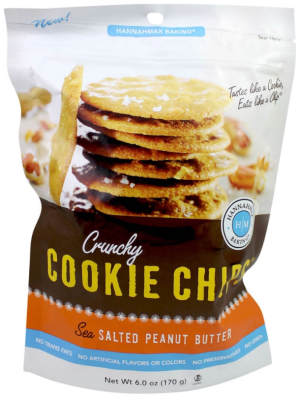
Bakery products and snacks lead in numbers of global GMO-free introductions, accounting for 12 per cent and 11 per cent, respectively – reflecting the significance of GM ingredients in sectors using high levels of cereals for food.
There has also been relatively strong interest in non-GMO labelling in the dairy industry, where a natural image has traditionally been important and there is already ongoing activity in organic and pasture milks.
There is a strong link between organic and GMO-free certification, with many products using both types of positioning.