The New South Wales Environment Protection Authority (EPA) is introducing new restrictions on single-use plastics in food and beverage packaging, set to take effect from 1 January 2025. The upcoming ban will target "integrated packaging" items, which are machine-automated components of packaged products, such as sealed plastic utensils or straws.
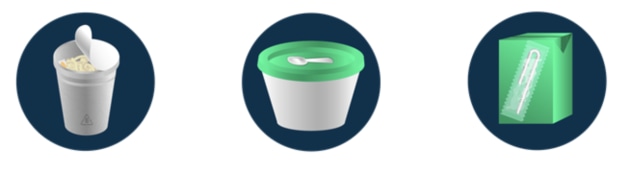
Examples of items covered under the ban include:
Source: EPA
- Expanded polystyrene (EPS) cups containing dry noodles sealed with flavouring or soup powder;
- plastic spoons sealed inside snack pack packaging; and
- plastic straws attached to juice poppers.
The restrictions also extend to biodegradable, compostable, and bioplastic materials, reinforcing the EPA’s aim to reduce unnecessary plastic use and encourage sustainable alternatives.
Businesses involved in the manufacture, supply, or distribution of food and beverage packaging are urged to begin transitioning away from banned items. The EPA suggests assessing whether these integrated components are essential and exploring alternative packaging solutions.
The authority has outlined steps for affected stakeholders:
- Brand owners and manufacturers should adjust production lines to exclude banned items and notify customers about the changes.
- Distributors and retailers are advised to conduct stocktakes, deplete existing stocks, and inform customers about the restrictions.
- Industry associations are encouraged to share the information with members through newsletters and meetings.
The bans are the result of public and stakeholder consultation and are intended to drive more sustainable choices among businesses and consumers.
For more details on the new regulations, visit the NSW EPA website here.