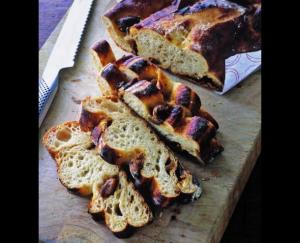
New bread launches are on the rise, but especially those with a health halo according to Innova Market Insights, which found that most of the new product launches in Australia last year made a health claim.
Innova found new products using health claims of some kind made up over 42 per cent of the total in 2013 globally, but in Australia and the US, health claims rose to over 75 per cent. They fell to less than 30 per cent in the non-traditional bread markets in Asia.
Innova Market Insights divides health claims and positioning into two types – passive, such as low and light, organic and gluten-free; and active, which involve the addition of particular ingredients, such as calcium, protein, fibre or the promotion of specific benefits such as heart health or digestive health.
Globally, passive claims dominated in the bread market, with over 40 per cent of launches using them in 2013, compared with just five per cent using active claims of some kind.
“As a result of the growing influence of health claims regulations, particularly in the EU and North America, the functional bread sector has generally seen much lower levels of new product and promotional activity over the past few years,” Lu Ann Williams, director of innovation at Innova Market Insights, says.
“This does not mean that interest in healthier options has reduced, however, but more that the positioning of bread has changed to focus more on a generally healthy and nutritious image, rather than making specific claims.”
According to Innova, the most popular health claims in the bread market overall referred to naturalness, with one-fifth of 2013 launches using one or more claims relating to naturalness, an additive- or preservative-free formulation or an organic positioning. Nearly 17 per cent used either high-in- or source-of-fibre claims or a wholegrain positioning.
Usage of active health claims was much lower, Innova found.