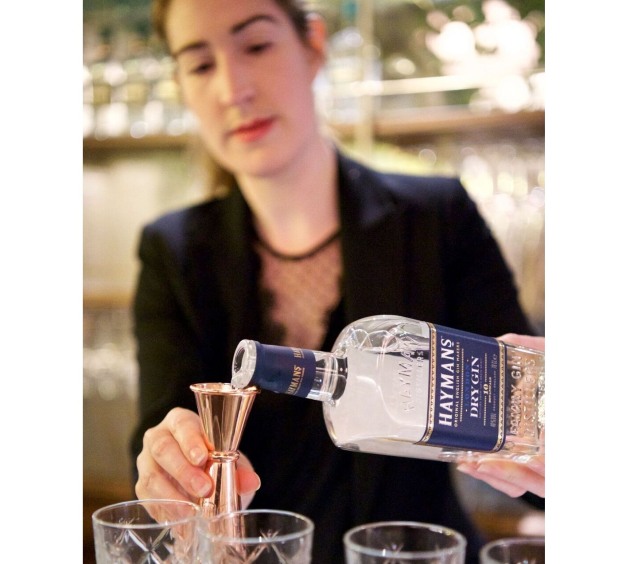
A fifth-generation UK distiller James Hayman of Hayman's Gin has visited Australia to launch a new gin and food pairing collaboration in celebration of Australia's growing taste for the white spirit.
Hayman ran master classes in Sydney and Melbourne while in Australia last week, and launched the Hayman's Gin Supper Club, which sees Hayman's Gin cocktails paired with food in a new offering at The Lord Dudley in Woollahra, Sydney.
Australia's new-found love of gin, along with the rise of craft spirits, has resulted in rising sales for Hayman’s, Hayman told Food & Drink Business, and now he hopes to demonstrate, through collaborations such as the Supper Club, that gin is more than just a pre-dinner drink.
Hayman's products, which include Sloe Gin and London Dry Gin, are sold in Australia in Dan Murphy's and other outlets, and the distiller also aspires to be the gin of choice for gin cocktails served in bars.
“The Supper Club is about challenging the way people serve drinks and what time of day they drink certain drinks,” Hayman says.
Hayman's, which dates back over 150 years, is now the only family-owned original English gin maker still distilling today, Hayman says.
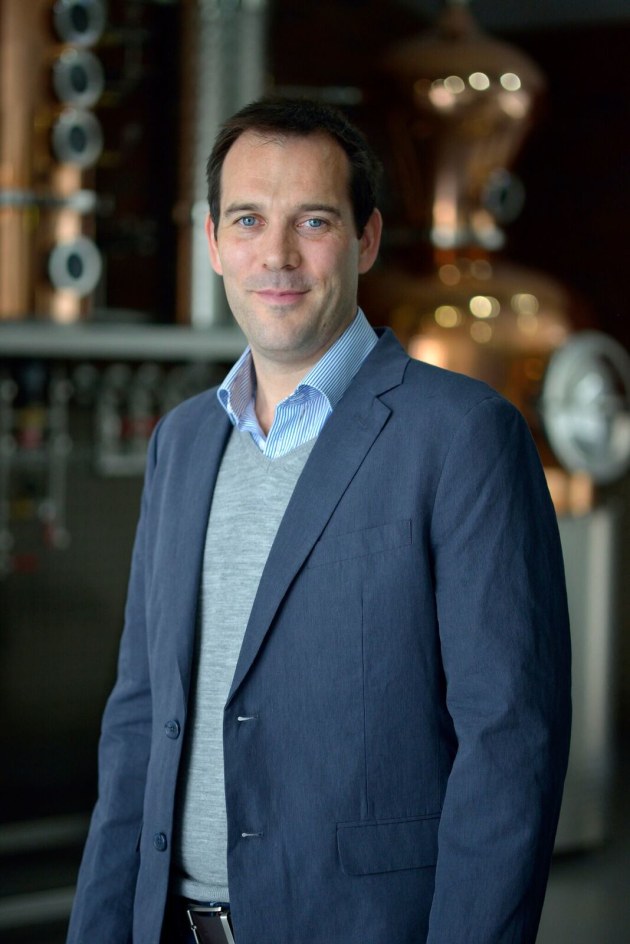
During the nineties, when gin lost popularity to vodka, the UKs traditional gin makers sought to cut costs to better compete.
Their production methods also changed and many companies consolidated, according to Hayman, with only Hayman’s continuing to make gin in the traditional way.
“The early nineties was a difficult time, but we carried on,” Hayman says.
The company has remained a small-batch producer, and it uses its original recipes which include a blend of 10 botanicals: juniper, coriander, lemon peel and orange peel, as well as angelica, orris root, cinnamon, cassia bark, nutmeg and liquorice.
The company is about to open a new distillery in London to keep up with rising demand for craft gin, however it will continue to distil by hand, according to Hayman.
He attributes gin's rising popularity to a few factors. “In the past you'd buy a bottles with a name you recognised, but you wouldn't know much more that that,” he says.
“These days it's more personal – you can meet the owners and there is more passion, and that's what really created the shift.”