• A new paper is reviewing Australia's current policy guidelines in light of the growing number of products that now contain caffeine.
    A new paper is reviewing Australia's current policy guidelines in light of the growing number of products that now contain caffeine.
Close×

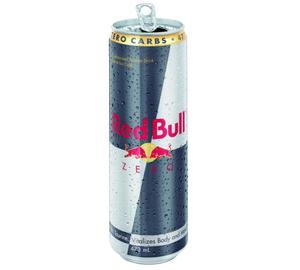
A discussion paper on the regulation of caffeinated products such as energy drinks has been released by the Department of Health to provide policy guidance on the issue amidst rising health public health concerns.

The Australian and New Zealand Food Regulation Policy Options Paper is reviewing current policy guidelines in light of the increased number of products that contain caffeine, and the consultation period will run until October 18.

The Australian Beverages Council said it welcomed the publication of the paper and was currently reviewing it from the perspective of its members, with a view to working with government and regulatory stakeholders during the consultation period.

Australian Beverages Council CEO Geoff Parker noted, however, that caffeine is a commonly used ingredient in a number of food and beverage products including tea, coffee, cola, chocolate, energy drinks, and iced coffee, and had been safely consumed for centuries.

He said a soon-to-be-released Galaxy Poll of over 1100 Australians aged between 15 and 49 confirmed that coffee is the major source of caffeine for Australians, contributing over 50 per cent of our weekly intake.

“We all know from our own experience that there has been a meteoric rise in the Australian café culture and in-home coffee machines over the past 10 years or so.”

“The remaining share of caffeine intake is drawn from a variety of sources including cola at 18 per cent, tea at 16 per cent, and energy drinks at 5 per cent, but there’s no one single contributor that’s as large as coffee,” Parker said.

He said coffee also contained the largest amount of caffeine with anywhere up to 250mg in a serve.

“A cup of instant coffee contains around the same amount of caffeine as an energy drink at 80mg for a 250ml cup and a regular 375ml can of cola sits at around 49mg.”

Packaging News

IVE Group says its diversification strategy – including investment in packaging capacity – remains central to growth despite softer revenues in traditional print segments.

The Hive Awards are live! PKN's sister title, Food & Drink Business, is calling on all processing and packaging innovators in the food and beverage sector to get on board and submit entries by 13 March.

A new AFGC snapshot of Australia’s food and grocery manufacturing sector highlights rising costs and slowing real growth – while calling for national progress on packaging circularity and digital labelling.