Bundaberg Brewed Drinks is a family-owned brewery that has been brewing non-alcoholic beverages for generations in its home town of Bundaberg in Queensland.
According to the company, the flavour of the brewed ginger beer, which uses real ingredients, is the key to its success.
Quality and innovation are important to the company, which exports its beverages to over 30 countries around the world, including New Zealand, the UK, the US, Singapore, China, Hong Kong and South Africa.
A guaranteed supply of quality ginger is therefore critical, and growing conditions and time of harvest are important variables that affect flavour, according to engineer and director of FoodStream, Gordon Young.
Young says the company uses ginger in a dried form and although it is locally grown, there is a limited harvest period.
“Dried ginger, however, can be stored from one harvest to the next, or even longer, just to be sure, in case weather or other factor affects the harvest,” he says.
Previously, the ginger was transported 200km away to be dried. However, growing transport costs and the need for security and quality of supply led Bundaberg Brewed Drinks to engage FoodStream to develop an in-house drying system.
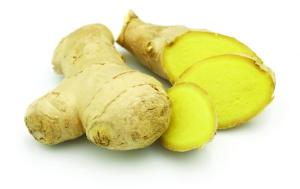
The ginger is first washed and peeled using equipment designed for root vegetables such as potatoes and carrots. Whole ginger root needs to be dried, not sliced, to maintain the flavour profile, according to Young.
“The development of the drying process needed considerable care and attention due to the company’s need to achieve the correct flavour profile,” he says. “The subtlety of flavour is such that organoleptic testing is the only reliable way to test the dried product.”
Drying temperature was critical: too low or too high did not work, so a multi-belt, continuous dryer was ultimately developed that allowed 700kg of ginger an hour to be dried.
The belt speed is extremely slow (drying time is many hours), and successive belts run at different speeds for product at different stages of drying and allowed the depth of the ginger on the belts to be maintained. As might be expected, the ginger pieces shrink as they dry.
According to Young, the engineering design used 3D modelling techniques, with manufacture spread across different fabricators to take advantage of their specialty facilities and to assist on-time delivery.
The main body was largely assembled in the workshop in Brisbane, then transported to site, saving time and cost at installation.
Food-grade plastic belts were used so that flavour carry-over was not an issue and that hygiene and food safety could be assured.
The new dryer is located at an off-site facility to the main brewery and bottling facility.
According to Young, FoodStream engineers worked closely with scientific and production staff over a considerable period to ensure that the final drying process preserved the flavour.
Even though the final equipment has been exhaustively tested and is now ready for use, FoodStream engineers will be on-site at Bundaberg during the 2014 drying season to further fine-tune the system and monitor the process, he says.
Bundaberg Brewed Drinks is keen to discuss out-of-season access by other companies to its dryer and peeling equipment.