Choice has asked NSW Fair Trading to investigate potentially misleading free-range claims in a "Super Complaint" about the premium prices consumers are paying for eggs.
According to Choice, the free-range egg market now accounts for around 40 per cent of eggs sold in Australia and consumers are paying a hefty premium in the belief these products meet their expectations, despite much variation in the conditions in which the chickens are kept.
The Super Complaint system allows Choice to bring forward evidence of issues harming NSW consumers, and requires the regulator to publicly respond within 90 days. Choice is recommending that NSW Fair Trading further investigate free-range egg claims and take action where it finds evidence these claims are likely to mislead NSW consumers.
This is only the second Super Complaint by the organisation. The first was launched in April last year, and related to commercial transparency and accuracy of the deals being offered by energy switching sites.
In its latest submission to NSW Fair Trading, Choice says that despite commanding a significant price premium – double the price of cage eggs – there are no enforceable standards governing free-range claims in NSW.
“Choice research has shown that consumers purchasing free-range eggs expect that the layer hens have access to the outdoors and space to move around with limits on the number of birds on the outdoor range – but the Australian Egg Corporation itself has admitted there is huge variation in the conditions in supposedly free-range operations,” says Choice lead campaigner Angela McDougall.
At the national level, a model code defines free-range by a stocking density of no more than 1500 birds per hectare. However, the Australian Egg Corporation is currently pushing for a stocking density of 20,000 birds per hectare.
Complicating matters, the Queensland Government recently increased the stocking density from 1500 to 10,000 birds per hectare.
The South Australian Government, in contrast, has just announced an industry code that would see eggs certified free-range only if they meet a maximum stocking density of 1500 birds per hectare.
A response from NSW Fair Trading is expected before the end of the year, in accordance with the super-complaint trial agreement.
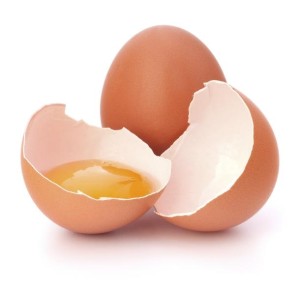 Choice says consumers are paying a hefty premium for eggs despite much variation in the conditions in which free-range chickens are kept.