The Californian drought and resulting almond shortage has spurred an organic food distributor to call for greater global cropping diversity in preparation for climate change.
California provides 80 per cent of the world’s almonds and with the drought affecting supply, the price of almonds has risen 40 per cent globally, according to Ceres Organics.
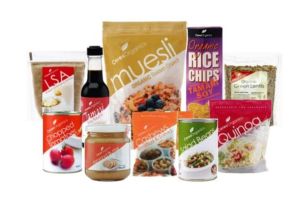
The New Zealand company sells an extensive range of certified organic products in Australasia. It has around 400 products in its range and at least 40 of these contain organic almonds.
The drought in California highlighted the problem with mono-crops and the need for global crop-diversification, Ceres managing director, Noel Josephson said.
“Almonds are a wonderful source of protein, vitamins, minerals and mono-saturated fats and with the movement towards plant-based diets and clean eating, the demand for almonds continues to grow at a time when California is struggling with supply,” he said.
“The droughts in California have served as a reminder that it’s dangerous to concentrate the growth of specific crops in one geographical area – especially with the effects of climate change.
“In order to be able to keep up with demand, we have been working with farmers in other parts of the world on transitioning to organic almond farming in order to keep up with demand and we expect to have some exciting announcements on our progress very soon,” Josephson said.
Additional environmental benefits of diversifying the source of almonds included less strain on water usage, less impact on soil, and hopefully a move away from the importing of bees to assist crops, according to Josephson.
“The practice of importing bees to help the growth of almond crops in California is one of the biggest man-made interventions in agriculture. A significant percentage of the bees die every season when they are imported and bees are too important to the eco-system to be used in this manner,” he said.
“We hope that by encouraging other countries to grow organic almonds in smaller crops, there will be less need to resort to importing bees and local bees will be sufficient. It is crucial that we protect the bees while serving our customers because bees are responsible for the cross-pollination that helps at least 30 percent of the world’s crops to thrive.”