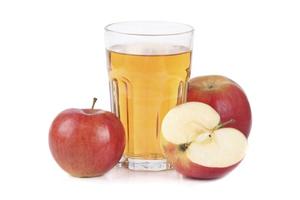
• Fruit Juice Australia says the continued demonisation of juice based on its sugar content is disappointing.
    Fruit Juice Australia says the continued demonisation of juice based on its sugar content is disappointing.
Close×

Fruit Juice Australia (FJA) has slammed a report that describes apple juice to be as sugary as Coca-Cola and warns consumers to limit consumption.

The FJA says the Fairfax Media report sends the wrong message to parents and ignores the latest research that shows fruit juice consumption has been associated with better diet quality.

“Research shows that both adults and kids who consume fruit juice have a better diet quality and improved nutrient adequacy. In kids, fruit juice consumption is associated with significantly higher intakes of four essential vitamins and minerals,” said FJA CEO, Geoff Parker.

“The continued demonisation of juice based on its sugar content is disappointing and is sending a wrong message to people about the role of juice in the diet. This is especially so for parents,” he said.

According to nutritionists quoted in the report, apple juice has as much sugar as soft drinks, and is no more than a ''sugar syrup''.

''It's just like drinking Cola-Cola, it's no different,'' Dietitians Association of Australia spokeswoman Kellie Bilinski said.

Fairfax Media reported a bottle of Coles' Finest Australian cloudy apple juice contained more kilojoules and carbohydrates than a bottle of Coca-Cola, based on an average of 100ml.

Parker noted, however, that the Australian Dietary Guidelines supports that a small glass of juice (125mL) is equivalent to a serve of fruit.

“This is important for parents to know and while fruit is always recommended for kids, having a small glass of juice can help fussy eaters meet their fruit serves."

He said that without juice, 99 per cent of Australian children aged 14 to 16 and 50 per cent of 9 to13-year-olds do not get the recommended daily serves of fruit.

“This should send a clear message that having a small glass of juice each day can be an important part of a balanced diet and healthy lifestyle,” Parker said.

Packaging News

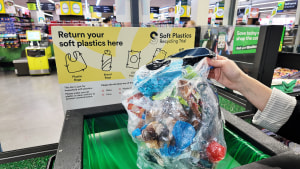
More than 700 Woolworths supermarkets across five states are now accepting soft plastics again, marking a major expansion of Australia’s growing soft plastics recovery network.

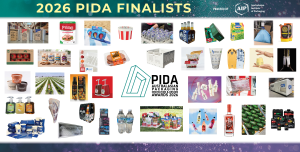
The 2026 Australasian Packaging Innovation & Design (PIDA) Awards finalists have been announced, with this year’s shortlist spotlighting the innovations, materials and talent shaping the future of packaging across Australia and New Zealand – and setting the stage for a competitive run into the global WorldStar awards.

PulPac has signed Australian packaging company Zipform Packaging as a licensee of its Dry Molded Fiber technology, to accelerate the development of fibre-based solutions for food packaging applications.