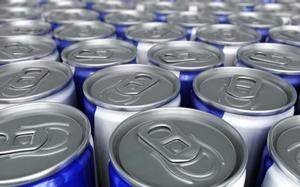
The Australian Beverages Council has responded to calls from the Australian Medical Association (AMA) to more than halve the amount of caffeine allowed in energy drinks, claiming the products are being unfairly singled out.
Currently the Food Standards Code provides a maximum caffeine content in energy drinks of 320mg per litre. But, speaking on Channel Nine’s ‘Today’ program last week, the AMA said the caffeine limit for energy drinks should be brought in line with the limit for soft drinks, which is 145mg per litre.
Geoff Parker, CEO of the Australian Beverages Council, told F&DB that the calls were “a little hypocritical”, on the basis that they didn’t address all sources of caffeine in the diet, overlooking other non-alcoholic beverages such as coffee, tea, flavoured milk and chocolate.
A regular-sized coffee usually contains between 80 to 120 mg, while a large coffee with two shots usually contains between 160 and 200mg. FSANZ science says a ‘low dose’ of caffeine is 300mg per day, and the average adult consumes 232mg of caffeine per day. In contrast, a regular energy drink contains around 80mg.
“Australia has become a cafe-based society over the last ten years and at the centre of that is coffee, which contains caffeine,” said Parker.
“It should come as no surprise that young adults are showing an interest in energy drinks. We respect all commentators’ opinions but it could be viewed as being a little hypocritical when certain groups are calling for bans or limits on caffeine content while they themselves enjoy multiple cups of coffee each day. These [energy drink] products are not marketed to children and are clearly targeting males aged 18 to 24 years of age.”
Parker added that Australia is already one of the most heavily regulated markets in the world for energy drinks.
“Our caffeine limits, labelling warning and advisory statements lead the rest of the world for our manufacturers to provide a perfectly safe product for consumers,” he said.
“The Australian regulations restrict the amount of caffeine in energy drinks to 80mg for a standard 250ml can – that’s equivalent to a common cup of coffee.
“Like many categories packaging innovation is important and any product that is clearly intended for multiple serves should ensure the consumer has all the information on pack to consume responsibly. Like many leading brands of food and drink multiple serve packs are common.
“As an industry peak body we have reached out to the AMA on numerous occasions to offer to meet with them to discuss their concerns.”
In Australia, all energy drink manufacturers and distributors are required by law to comply with all food standards administered by Food Standards Australia New Zealand (FSANZ), most importantly Standard 2.6.4 (Formulated Caffeinated Beverages) which:
- sets the maximum levels of ingredients (including caffeine) for energy drinks;
- imposes mandatory advisory statements that these products are not recommended for children, pregnant or lactating women or caffeine-sensitive persons;
- requires all energy drinks to include an advisory statement that recommends consumption of a maximum of two 250ml cans per day (being 500ml total).