A mere five schools will be affected by an ACT government ban on the sale of fruit juice and soft drink in vending machines at Canberra public schools, says the Australian Beverages Council.
Chief Minister Katy Gallagher announced the ban, which comes into force at the end of this school term, bringing forward a five-year phase-out of sugary drinks in territory schools as part of a broader plan to tackle obesity.
The Australian Beverages Council CEO, Geoff Parker, said the announcement was a misguided attempt to show leadership in this space by the ACT Government given the industry had already been taking proactive steps around offering healthy choices in schools.
“The Chief Minister refers to access to sugary drinks being a problem, but in fact is talking about a very small number of vending machines – just five in total.
“The Australian beverages industry already has a strict policy to not support the sale of full kilojoule soft drinks in primary school," said Parker.
The beverages industry did, however, support juice being available in schools because research showed that kids who drink juice have a better overall diet quality, according to Parker.
“Juice as part of the diet is within the recommendations of the Dietary Guidelines and juice in schools is supported by the national healthy schools canteen guidelines,” Parker said.
“According to the 2007 Australian National Children’s and Physical Activity Survey, a mere 1.6 per cent of the average kid’s energy intake is from sugar-sweetened soft drinks and just 2 per cent from fruit juice, and the juice contribution of energy to a kid’s diet hasn’t changed since 1995.”
“We would call on the ACT Government to reconsider the role of fruit juices in the diet of Australian children” Parker said.
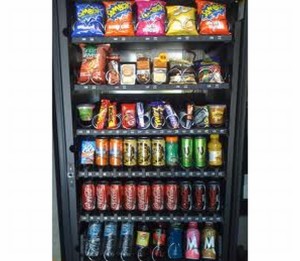 Only five schools will be affected by an ACT government ban on fruit juice and soft drink in vending machines.