Australia’s bakery sector is crowded with 5105 businesses operating in the bakery product manufacturing industry. Yet despite growing demand, closures and rebrands continue, often driven less by product quality and more by decisions made long before a bakery opens its doors.
According to All About Bakery Equipment managing director, David Tscheinig, many of the problems that surface in year one are already baked into the business during planning and fit-out.
“Often the people setting up a new bakery go to a draftsman to have their layout drawn,” said Tscheinig.
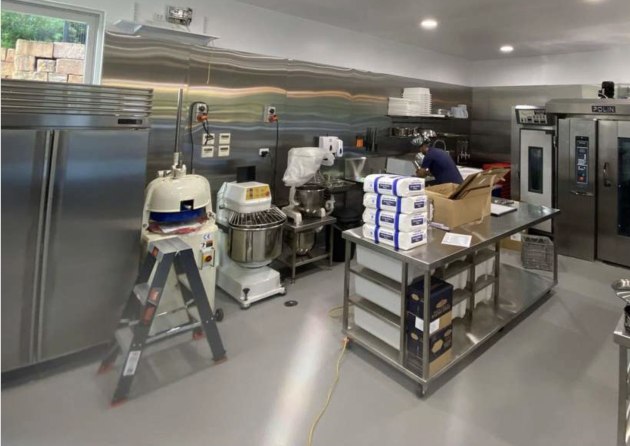
“These draftsmen are more often than not not from the trade, so they put equipment wherever it fits. We see so many layouts with no flow, which does not produce an efficient workflow and time is lost.”
That lack of flow shows up quickly in daily operations. Staff walk further than they need to, production slows at peak times, and labour costs creep higher without anyone quite knowing why.
Equipment selection is another recurring fault line.
“We regularly see big oven capacity with a small mixer, or vice versa,” said Tscheinig.
“Coldrooms are too big or too small, there’s not enough storage space, and layouts don’t always meet health regulations.”
Beyond layout and equipment, hidden operating costs can quietly undermine viability. Power demand, ventilation, gas supply and maintenance are often underestimated or ignored altogether, leaving owners exposed once production ramps up. Tscheinig said this is an area where many suppliers either cannot provide answers or avoid the conversation entirely.
“As we draw all the plans for our clients, we supply a legend listing all power, plumbing and gas requirements,” he said.
“From there, we can see total power load, work out diversity, nominate sub board sizes, and even plan for future equipment so additional power is available when the business is ready to expand.”
Future proofing, he says, is where experience makes the biggest difference. Too many bakeries are designed only for opening day, with little consideration for how production needs to evolve and expand.
“We start by asking where they see themselves now and where they want to be in five years,” said Tscheinig.
“We work out what they need now, then shadow what they will need later. Power outlets, drains and plumbing are all installed where future equipment will go, so workflow is enhanced, and installation costs later are minimal.”
Compliance remains another pressure point, particularly as food safety, extraction and electrical requirements continue to change.
“Most people do not fully understand what is involved in setting up a food premises,” said Tscheinig.
“Rules change constantly, and what worked in one shop is often different in the next. Having an experienced team from the start usually works out cheaper in the long run and avoids delays, defects and stress.”
Operational efficiency is another area where many bakeries quietly lose money. It’s rarely about one big mistake, but more so the small daily decisions that add up. While the right equipment can cut labour minutes per item, overspending is usually tied to how production is planned and reviewed, not the machines themselves.
One of the biggest gaps is how production is tracked. Many bakeries still don’t run production sheets based on recent sales, which makes it hard to know what actually needs to be made each day. When sell-out times and leftovers aren’t recorded, it’s easy to keep baking “just in case”, especially when displays are designed to look full rather than turn over.
“A lot of owners don’t run production sheets based on recent sales history,” said Tscheinig.
“When that data is tracked properly, waste should always be minimal. Even then, bread and cake waste can often be repurposed rather than thrown away.”
For those planning a bakery fit-out, Tscheinig points to the most common mistakes to avoid:
- Layouts designed without real production flow in mind
- Equipment capacity that doesn’t match actual output needs
- Not working out the ‘real’ cost of a product to ensure proper margins.
- Power, gas and ventilation limits that restrict growth
- Fit-outs that meet opening requirements but not future demand
- Maintenance treated as reactive, not preventative
- Menus that are too broad too early, driving waste
- Displays sized to look full rather than to turn over efficiently
- Leases signed without understanding long-term suitability
- Pricing set without fully accounting for labour, power and ingredient costs
With competition intensifying and margins under pressure, Tscheinig said longevity comes down to realism as much as passion.
“Bakeries that last are built on planning, discipline and realistic assumptions. Instinct matters, but structure matters more.”