


The company behind brands such as Bertolli, Flora, Lipton, and Continental has announced a two per cent rise in profits for the first half of 2016 following a push into the premium market.
Unilever posted a first-half net profit of AU$3.7 billion, up from the AU$3.66 billion in the corresponding period a year earlier.
The company has been raising prices and releasing premium versions of its products to deal with a turbulent economy.
It also adopted “zero-base budgeting” to rein in costs.
Underlying sales – which strip out the impact of acquisitions, disposals and currency movements – grew 4.7 per cent, which was better than the 2.9 per cent Unilever logged for the same period last year.
Chief executive Paul Polman told The Australia he saw no sign of improvement in the global economy, but Unilever’s long-term focus had helped it withstand a period of “high volatility and accelerating change”.
The results show that Unilever continues to struggle with a soft environment in both North America and Europe, as well as in its spreads business, although the company is benefiting from its slant toward emerging markets.
In North America, Unilever’s sales edged up 0.7 per cent on an underlying basis, while in Europe sales climbed just 0.1 per cent.
Volumes in the food business declined but Unilever offset those by raising prices, translating into underlying sales growth of 2.3 per cent.
Home care and refreshment – which includes tea and ice cream – reported underlying sales growth of 6.5 per cent and 4.1 per cent, respectively.
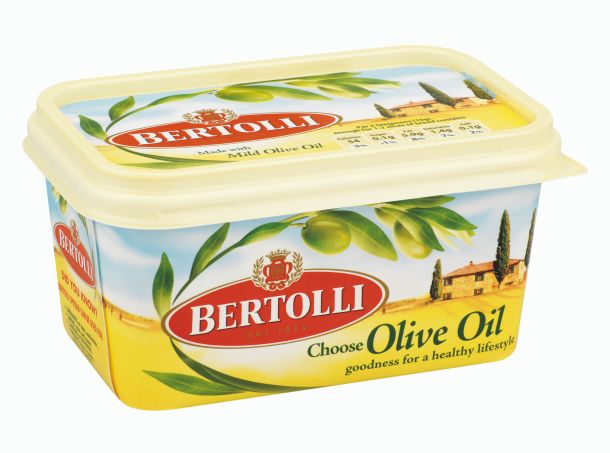
Unilever’s spreads division – which the company houses as a separate unit with its own budget and management – continued to struggle, posting a mid-single digit percentage decline in the first half.
Unilever’s tea business has been hit by declines in oil-price sensitive areas like the Gulf states and Russia, from which it has historically received much of its revenue.
Overall, Unilever has been taking incremental steps to shift its product portfolio away from slower-growing food sales and toward higher-margin personal care products.


