• A dedicated space, commercial kitchen, and support network in Melbourne’s north will help food start-ups access the resources they need to turn their ideas into viable businesses. (Image source: FoodINC)
    A dedicated space, commercial kitchen, and support network in Melbourne’s north will help food start-ups access the resources they need to turn their ideas into viable businesses. (Image source: FoodINC)
  • A dedicated space, commercial kitchen, and support network in Melbourne’s north will help food start-ups access the resources they need to turn their ideas into viable businesses. (Image source: FoodINC)
    A dedicated space, commercial kitchen, and support network in Melbourne’s north will help food start-ups access the resources they need to turn their ideas into viable businesses. (Image source: FoodINC)
  • A dedicated space, commercial kitchen, and support network in Melbourne’s north will help food start-ups access the resources they need to turn their ideas into viable businesses. (Image source: FoodINC)
    A dedicated space, commercial kitchen, and support network in Melbourne’s north will help food start-ups access the resources they need to turn their ideas into viable businesses. (Image source: FoodINC)
  • A dedicated space, commercial kitchen, and support network in Melbourne’s north will help food start-ups access the resources they need to turn their ideas into viable businesses. (Image source: FoodINC)
    A dedicated space, commercial kitchen, and support network in Melbourne’s north will help food start-ups access the resources they need to turn their ideas into viable businesses. (Image source: FoodINC)
  • A dedicated space, commercial kitchen, and support network in Melbourne’s north will help food start-ups access the resources they need to turn their ideas into viable businesses. (Image source: FoodINC)
    A dedicated space, commercial kitchen, and support network in Melbourne’s north will help food start-ups access the resources they need to turn their ideas into viable businesses. (Image source: FoodINC)
Close×

A dedicated space, commercial kitchen, and support network in Melbourne’s north will help food start-ups access the resources they need to turn their ideas into viable businesses.
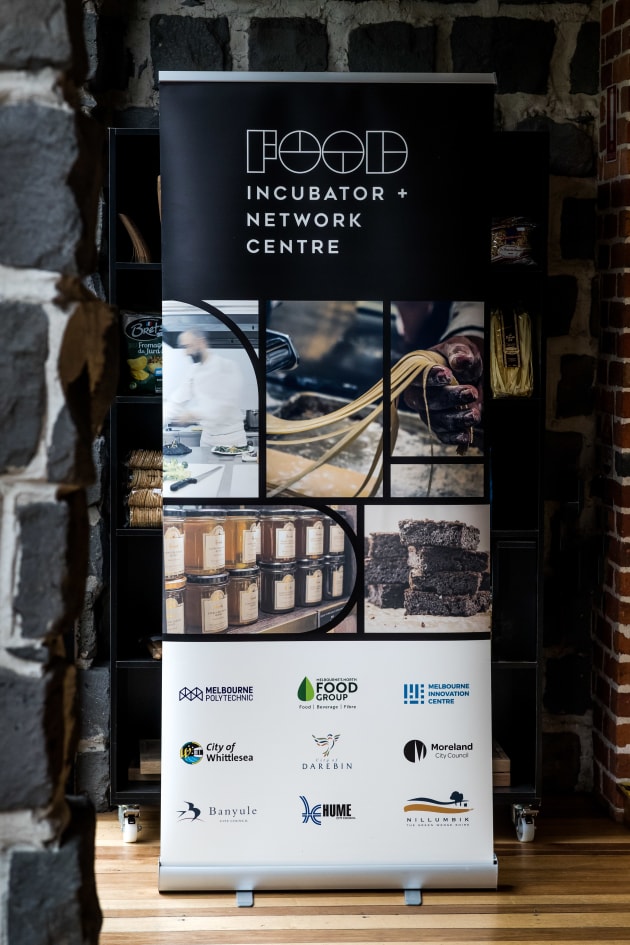
A dedicated space, commercial kitchen, and support network in Melbourne’s north will help food start-ups access the resources they need to turn their ideas into viable businesses. (Image source: FoodINC)

The Food Incubator + Network Centre (FoodINC) in Preston has been developed by Melbourne Innovation Centre, Melbourne Polytechnic and Melbourne’s North Food Group in response to a lack of affordable, commercial-quality facilities and education services for small food businesses.

FoodINC manager Lou Zarro said the importance of the initiative needs to be viewed in context of the new food business landscape after the extended disruption of Covid.

It has been designed for enterprises that range from existing restaurants looking to develop retail products such as dinner kits to people with a ‘side hustle’ needing commercial facilities to scale up their production.

“FoodINC aims to remove the barrier for small businesses to access commercial-grade facilities and the expert support needed to turn passion projects into long-term, sustainable ventures,” Zarro said.

“The development of FoodINC recognises the need to realign professional support and facilities for the food service industry and ensure that food start-ups can access a wealth of professional development and collaborative industry expertise to fuel their business success.”

Melbourne Polytechnic’s industry-expert educators will lead support services, providing training across compliance, occupational health and safety, and food safety. Food start-ups that join FoodINC can draw access the institute’s portfolio of short and nationally accredited training and degree programs, including commercial cookery, hospitality, winemaking, horticulture, bar and cellar operations, as well as bachelor degrees in business and agriculture.

Melbourne Polytechnic director of strategic partnerships Kerryn Lester-Smith said since Covid, many hospitality businesses are looking to diversify their offering while many others are exploring a complete career change.
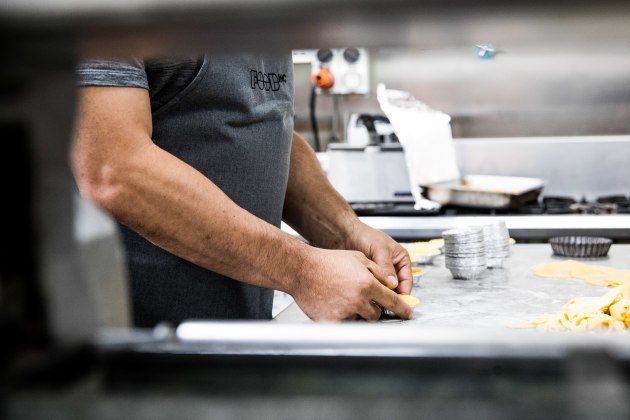
A dedicated space, commercial kitchen, and support network in Melbourne’s north will help food start-ups access the resources they need to turn their ideas into viable businesses. (Image source: FoodINC)

“From those looking to explore an idea but unsure where to begin, to people operating small businesses from home and looking to upscale, FoodINC nurtures many facets of small business recovery,” Lester-Smith said.

The annual membership fee will be $350, and kitchens can be booked at $40/hour. Membership included an onboarding welcome pack, networking and mentoring opportunities, online training resources, subsidised professional training and development from Melbourne Polytechnic, plus access to commercial kitchen appliances.

Training and education opportunities include understanding the costs associated with establishing a food business, mandatory food safety compliance, marketing and digital support, plus connections to financial, logistics, legal and sales networks through FoodINC partners.

It is set to open on 29 April and will be located at the Preston campus of Melbourne Polytechnic.


Packaging News

As 2025 draws to a close, it is clear the packaging sector has undergone one of its most consequential years in over a decade. Consolidation at the top, restructuring in the middle, and bold innovation at the edges have reshaped the industry’s horizons. At the same time, regulators, brand owners and recyclers have inched closer to a new circular operating model, even as policy clarity remains elusive.

Pact has reported a decline in revenue and earnings for the first five months of FY26, citing subdued market demand, as chair Raphael Geminder pursues settlement of the long-running TIC earn-out dispute.

PKN brings you the top 20 clicks on our website this year, a healthy mix of surprise and no-surprise. Pro-Pac Packaging led the list, Women in Packaging came in at #4, and Zipform's paper bottle at #15.