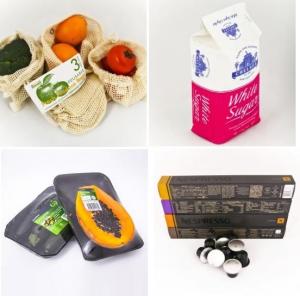
• Clockwise from top left: The Rethink reusable shopping bag and the Chelsea paper-based white sugar packaging get the thumbs up; Countdown supermarkets' produce wrapped in meat trays and plastic; and Nespresso coffee capsules get the thumbs down.
    Clockwise from top left: The Rethink reusable shopping bag and the Chelsea paper-based white sugar packaging get the thumbs up; Countdown supermarkets' produce wrapped in meat trays and plastic; and Nespresso coffee capsules get the thumbs down.
Close×

New Zealand environmental group Wanaka Wasterbusters has highlighted the best and worst of fresh produce packaging in its annual Unpackit Awards.

The worst packaging of the year title was awarded to NZ's Countdown supermarkets, owned by Progressive Enterprises, for its practice of putting produce on meat trays then wrapping them in plastic.

“Putting fruit and vegetables on meat-trays and wrapping them in plastic is thoughtless and ridiculous,” Unpackit spokesperson Gina Dempster said.

It's the second year in a row this type of packaging has won Unpackit's “worst award”, with the 2012 award going to retail chain Foodstuffs for the same type of packaging.

Topping the best packaging category was NZ company Rethink's 100 per cent biodegradable and organic reusable fresh produce bags.

Made from cotton, the bags are sold in some supermarkets in the country's north island.

The Unpackit Awards seek to identify the best and the worst packs of the past year as voted by the public in an online poll.

This year's awards attracted 15,632 votes, and produced what organisers described as a symmetrical result, with supermarket packaging for produce heading both categories.

Packaging News

Industry leaders have renewed calls for national packaging reform, warning that Australia's manufacturing resilience, recycling investment and sovereign capability remain vulnerable without policy action to create demand for locally recycled content and provide a more level competitive playing field.

Australia's emerging soft plastics recycling infrastructure is ready to process significantly more material, according to Soft Plastic Stewardship Australia, which has launched a three-month campaign aimed at boosting consumer returns and strengthening domestic supply of recycled resin.

PKN’s latest print issue is hitting desks and landing in inboxes, bringing readers up to speed with the people, technologies and innovations shaping packaging, printing and processing across Australia and beyond.