


Blue Dinosaur brand owner, Forbidden Foods, says a new deal with contract manufacturer, Edenvale Foods, to produce the brand will unlock “considerable growth opportunities” for the company. Blue Dinosaur is a range of health and wellness snack bars and protein water.
Based in Alstonville, New South Wales, Edenvale Foods works with farms in the Northern Rivers region to upcycle farm gate seconds into nutrient rich ingredients for functional foods. It also works with brands to formulate new recipes and ranges, and acts as a contract manufacturer. It has mixing and extrusion capabilities and can flow wrap and palletise finished products and dispatch to distribution centres around Australia and internationally.
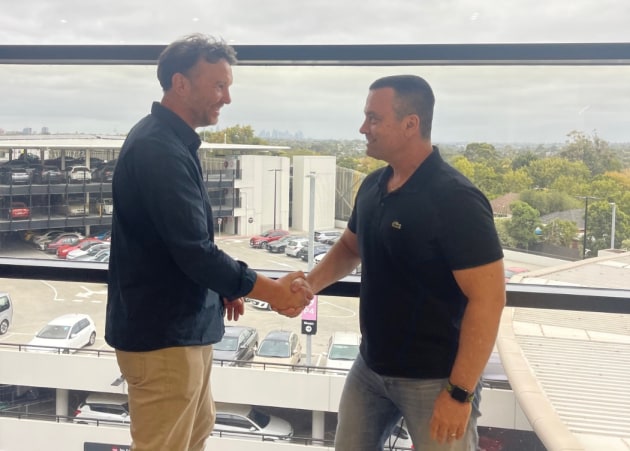
For Forbidden Foods, the deal replaces inconsistent supply from existing contract manufacturers that have led to lost sales, causing higher per unit costs and negating margin growth.
Forbidden Foods CEO, Alex Aleksic, said it had the potential to unlock “significant growth opportunities”.
“We expect the relationship with Edenvale to lead to a sustainable, consistent, and low-cost manufacturing opportunity, which will negate ongoing out of stock issues with key retailers and reduce lost sales,” Aleksic said.
The terms of agreement will see Blue Dinosaur products produced by Edenvale at cost pricing, with the difference in value to a general arms-length contract to be made up of fully paid ordinary shares in Forbidden Foods.
Aleksic said, “The issuance… will provide motivation for both parties to explore additional partnership agreements and business opportunities, while ensuring Forbidden Foods remains a top priority for the group.
“The agreement will unlock significant gross margin savings for the company that have not been realised through previous contract manufacturing relationships. This is a major step forward in the company’s stated strategy to drive net profit.”
It will run for an initial nine month period.
Forbidden Foods would also be able to leverage Edenvale’s NPD expertise, without high upfront R&D costs, allowing shorter and limited production runs.
In February, Forbidden Foods said its 1H24 results were the strongest half-year earnings performance since its IPO in September 2020.
Its net loss before tax was ($1.085 million), 103.9 per cent better than the prior comparative period and 217.4 per cent reduction on 2H23. Its earnings were $1.463 million, down 42 per cent pcp, with the company having undergone a major restructure under Aleksic, who was appointed CEO in June 2023.


