


Coopers Brewery sold almost two million litres more in FY25 than the previous year, with beer sales for the independent family-owned business topping 80.6m litres.
Profit before tax was $22.5 million, down on FY24’s $32.8 million, due to the significant investment and costs in the new visitor centre.
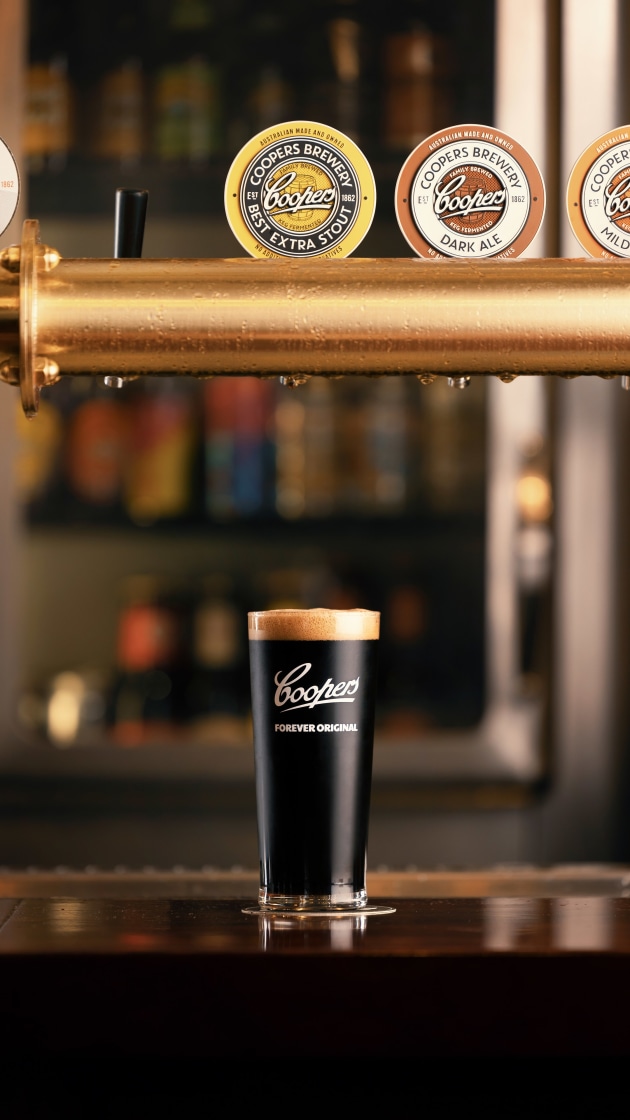
Coopers managing director, Michael Shearer, said the result reflected a solid performance across Coopers’ beer range.
“Demand was particularly strong for Dry 3.5 and Australian Lager, both relative newcomers to our portfolio. Our traditional ale products also continued to grow, at 1.2 per cent, and Stout had a resurgence with a 3.3 per cent increase over the prior year,” Shearer said.
Keg sales, which represent around 12.4 per cent of total sales, were 5.9 per cent higher, while packaged beer sales rose 1.8 per cent.
Growth was recorded across all states and territories, with South Australia being the largest market in terms of sales volume while Queensland recorded the strongest growth.
- New South Wales up 1.9%;
- Queensland up 4.8%;
- Victoria/Tasmania up 3.3%;
- South Australia up 2.3%;
- Northern Territory up 2%; and
- Western Australia up 0.8%.
Shearer said drinkers had become more discerning when purchasing due to cost-of-living pressures.
“They want value for money with their beer – that’s about quality, reliability and above all taste. To achieve another year of solid sales growth in a tough market is a real vote of confidence in our craft and our team. Beer drinkers have greater choice than ever before, so for more to choose a Coopers has been particularly pleasing.”
Beer exports (excluding New Zealand) – around 1 per cent of total sales – were down 22.3 per cent, while sales to New Zealand were 2.6 per cent higher.
Sales of malted barley and wheat rose 3.4 per cent despite the challenges experienced by brewers in international markets. DIY brewing product volumes were down 17 per cent reflecting lower consumer demand and tighter supermarket shelf space.


