


Capilano has developed a low GI honey for consumers looking to reduce their sugar intake. It is made from 100 per cent Australian eucalypt honey and aims to provide a slower and sustained energy release.
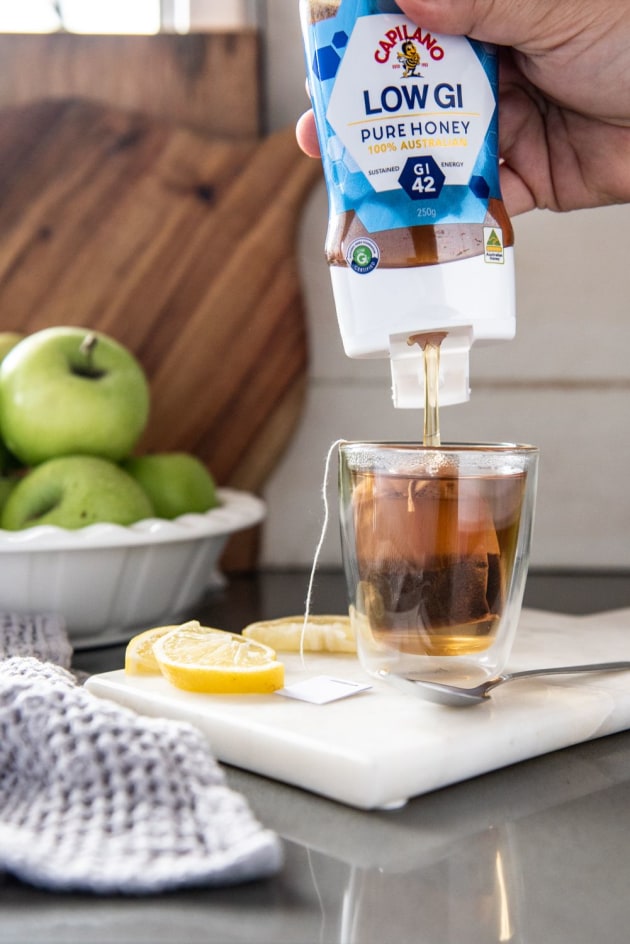
Capilano Low GI Honey has been tested by an independent laboratory with the use of approved methodology based on international testing standards.
Hive + Wellness, parent company behind the Capilano brand, CEO Ryan d’Almeida said the naturally occuring sugar profile of the specially selected honey can influence its GI rating and the way it is digested.
“We are very pleased to have endorsement from the Glycemic Index Foundation, who we have worked closely with during the development phase, so consumers can buy this product with absolute confidence,” said d’Almeida.
Glycemic Index Foundation CEO Kathy Usic said it can often be a quest to find natural sweeteners that are healthy and enjoyable for Australians on low GI diets.
“We welcome this delicious new honey from Capilano, which has been independently tested and certified Low GI with a rating of 42 compared with other honeys and sweeteners that can have a medium GI over 60,” said Usic.
“Low GI foods are more slowly digested helping keep your blood glucose levels stable, whereas high GI carbs cause a sudden spike in blood glucose and lead your blood sugars to peak and crash. The GI symbol is your trusted guide to healthier food choices.”
Capilano Low GI Honey is available in Woolworths and select IGA stores around the country.


